Key takeaways
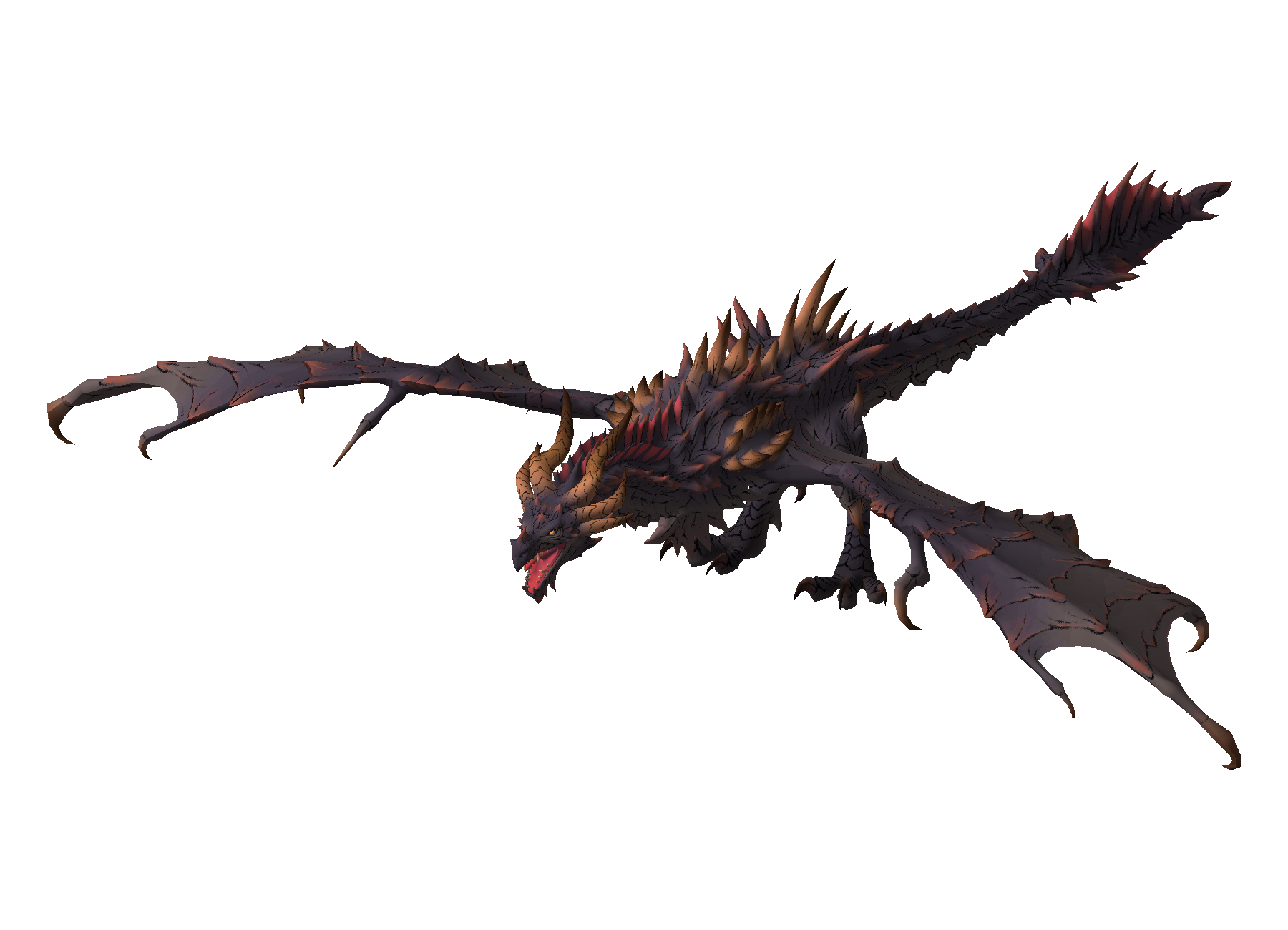
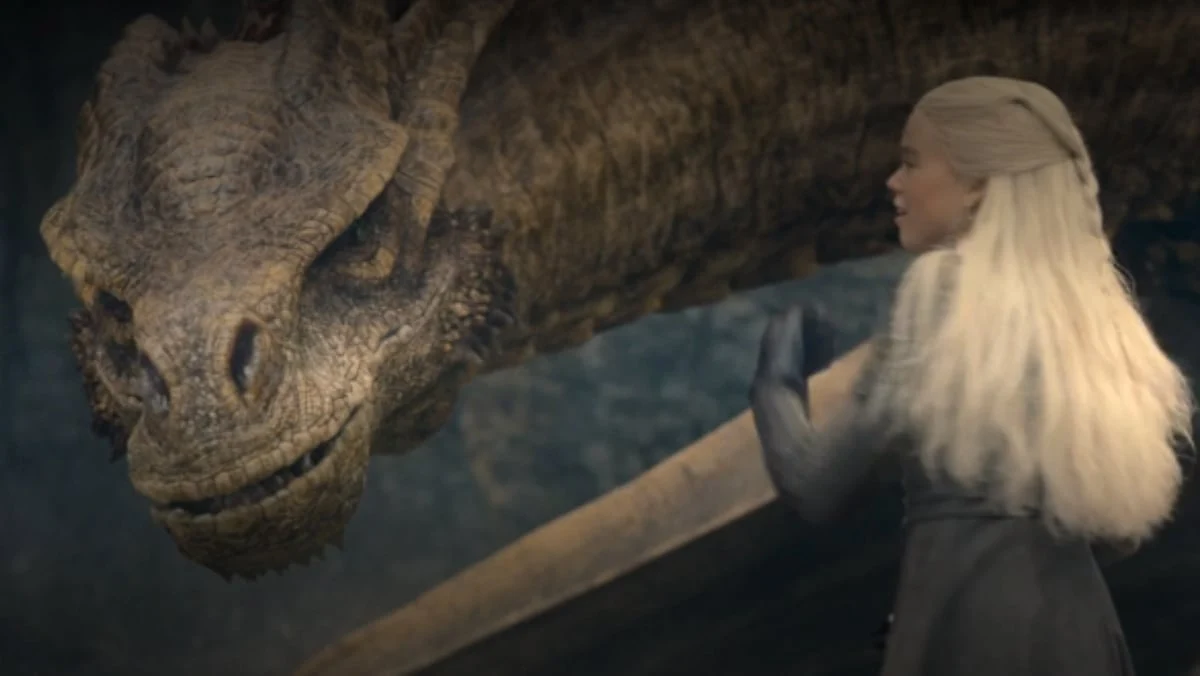
- Rhaenyra–Syrax and Daemon–Caraxes are separate rider–dragon bonds.
- Dragon power and formal political office are different advantages.
- The premiere does not establish a complete rulebook for claiming dragons.
Episode facts are distinguished from our interpretations. This article follows television continuity and does not use future book outcomes to fill gaps.
Start with the two visible relationships
Rhaenyra rides Syrax; Daemon rides Caraxes. The premiere presents dragons as part of royal life rather than a new discovery. Rhaenyra's flight and Syrax's role at the funeral also show that their uses extend beyond battle. A rider's relationship with a dragon belongs to both the political and the personal story.
For a beginner, keep a dragon's name distinct from a house name or a rider's title. Syrax is not another name for House Targaryen, and being a prince or princess does not tell you which dragon someone rides. Those are separate facts to learn, not competing labels for the same thing.
Why the bond changes the political map
A mounted dragon creates possibilities that an ordinary escort cannot: travel, intimidation, and concentrated force. Our reading is that a rider consequently carries a kind of authority that is not identical to office. The person who can appear above a city and the person who can lawfully order a council are not necessarily powerful in the same way.
That distinction helps with apparently quiet scenes. A conversation involving a rider can be affected by a dragon that never enters the room. The implied option of force changes the background against which diplomacy happens, without making every conversation a threat.
What bloodline can and cannot tell you here
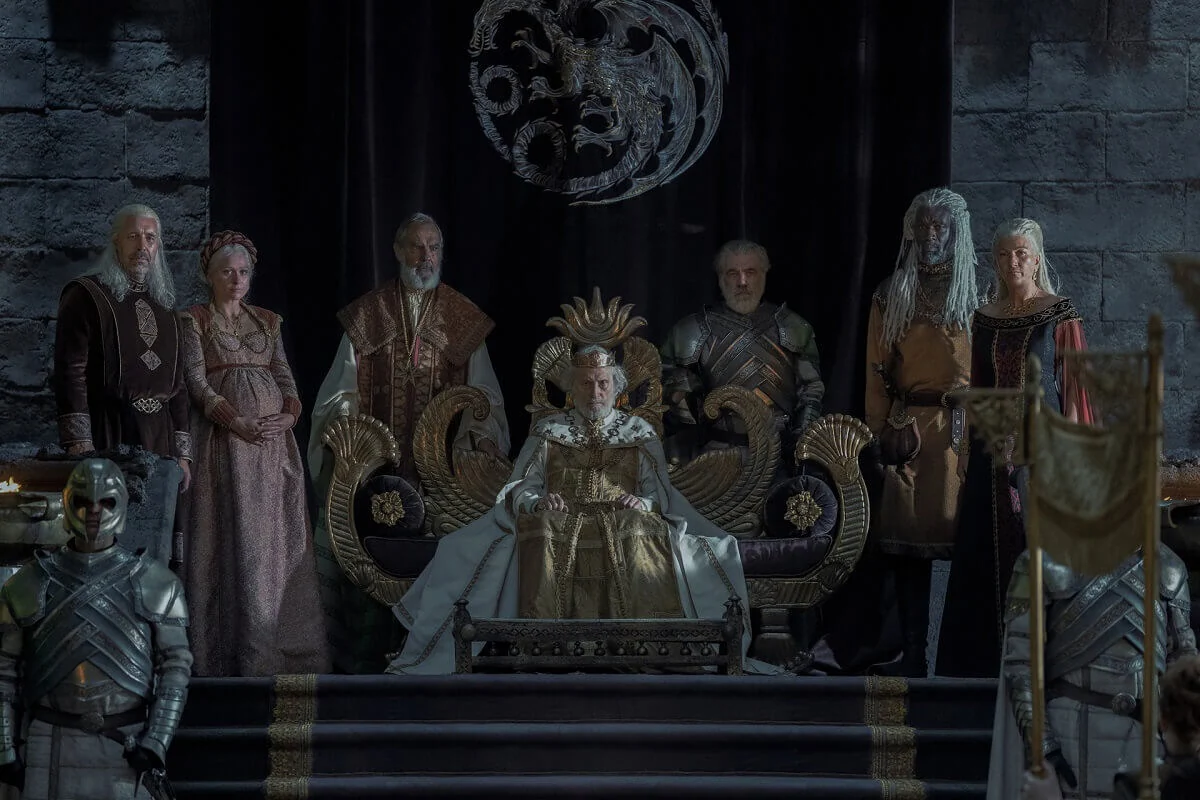
The family associates itself with dragons and Valyrian inheritance. The premiere does not provide an exhaustive, tested rule explaining every successful bond or every possible candidate. Avoid turning a dynastic claim about exceptional blood into a scientific law the story has not demonstrated.
A useful guide separates observed bonds from theories about why they exist. That keeps a family tree informative without presenting lineage as an automatic operating manual. It also leaves room for characters to be wrong about the powers on which their prestige depends.
How to use the dragon entries without reading ahead
Ask three questions at your current episode: who has been shown with this dragon, what has the dragon actually done, and what are people merely saying about it? A boast about strength is not the same as a demonstrated ability, and a rider's confidence is not a guarantee of obedience.
This method deliberately avoids later rider histories, dragon deaths, and book-only information. It lets a new viewer build a useful mental map from the opening rather than memorize an encyclopedia that spoils the very changes the show is designed to reveal. At this boundary, names and observed relationships are enough to start noticing how power works.
Sources & reading notes
Checked September 5, 2026. Linked references support the episode facts or credited production comments; the analysis and discussion prompts are original. External pages, images, recommendations, and comments may reveal later episodes or book events.
Show external sources · spoiler caution
- Cover image source ↗HBO. Image copyright remains with its owner.
- Episode record · Wikipedia ↗Used to check episode events and credits; linked pages may include later-story material.
- HBO · Dragon Index ↗A full-series reference; later rider information is not filtered to your boundary.
Filed safely through Season 1, Episode 1.