
Key takeaways
- Royal kinship, precedent, and explicit designation are different arguments.
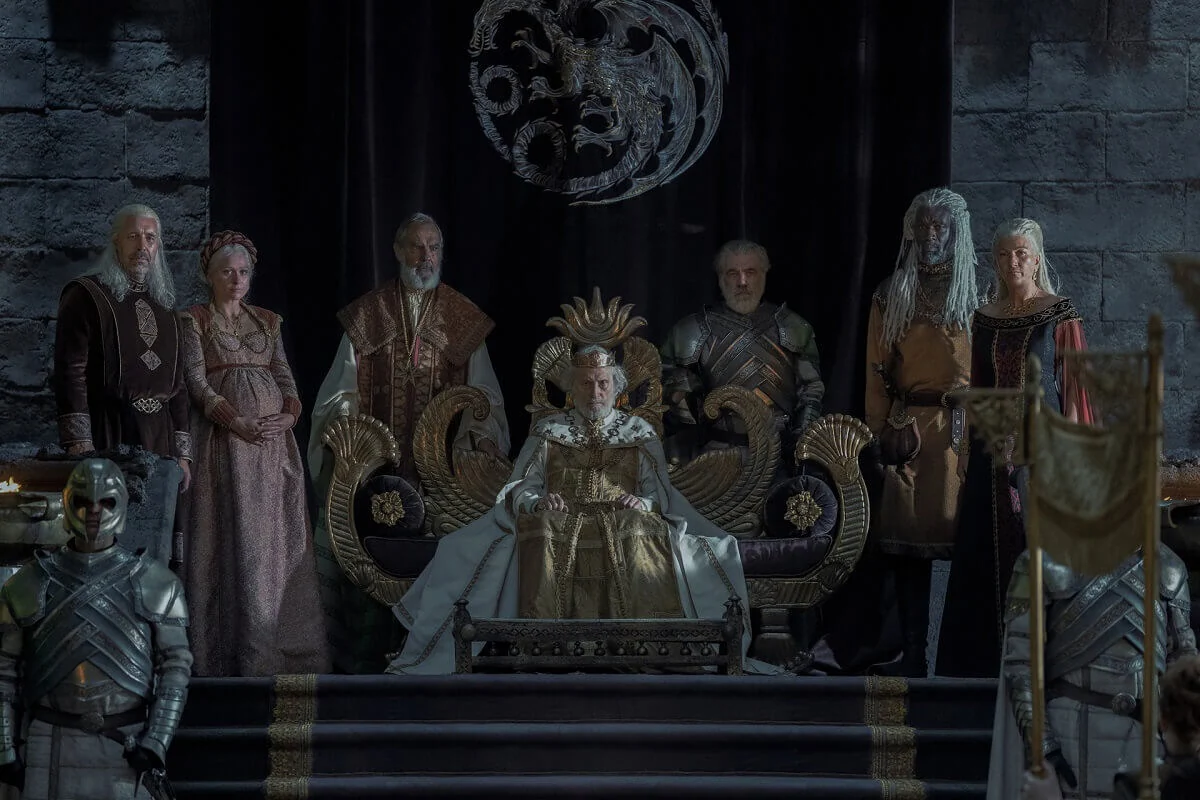
- Viserys names Rhaenyra heir and the lords swear to her.
- An oath creates an obligation without guaranteeing its enforcement.
Episode facts are distinguished from our interpretations. This article follows television continuity and does not use future book outcomes to fill gaps.
Three questions that a family tree cannot merge
Who is related to the monarch? Whom has the political community accepted before? Whom has the current monarch designated? The premiere makes these questions overlap without making them identical. The Great Council selects Viserys over Rhaenys; later Viserys names Rhaenyra rather than retaining Daemon as his heir.
Genealogy identifies relationships. It cannot by itself determine which relationships a political institution will prioritize. A neat diagram is therefore the beginning of understanding the succession, not the final legal argument.
Precedent is persuasive because people expect it to repeat
A past decision gives future actors a language for defending their preferences. Someone can call an outcome traditional rather than admit that it benefits a particular claimant. Our reading is that precedent matters partly because coordination is easier when influential people think they know what everyone else will accept.
That does not mean a precedent is immutable. The king's designation asks the realm to accept a different outcome. The conflict lies in the coexistence of those authorities, not in the absence of a clearly stated choice by Viserys.
Why an oath matters—and why it can be fragile
An oath makes support explicit and creates an obligation that can later be invoked. It also exposes the swearer to reputational costs if the promise is abandoned. Those are meaningful political effects even when enforcement is uncertain.
Our interpretation is that a durable settlement needs more than the memory of a ceremony. It needs people whose future interests remain compatible with the promise and institutions capable of resisting an opportunistic reversal. The premiere shows the ceremony; it does not establish that those additional conditions are secure.
A practical method for comparing claims
Keep four headings in mind: relationship, designation, recognition, and capacity. Relationship is the family connection. Designation is the explicit choice. Recognition concerns who accepts it. Capacity concerns who can make acceptance effective. None should be treated as a substitute for the others.
This framework helps avoid a familiar argument trap: using a claimant's ability to seize power as proof that the seizure was rightful, or using the strength of a claim as proof that it will be enforceable. The show can make both justice and effectiveness uncertain without making them the same question. At the premiere boundary, Rhaenyra's designation is clear; the durability of the arrangement remains a question.
Sources & reading notes
Checked September 5, 2026. Linked references support the episode facts or credited production comments; the analysis and discussion prompts are original. External pages, images, recommendations, and comments may reveal later episodes or book events.
Show external sources · spoiler caution
- Cover image source ↗Ollie Upton / HBO. Image copyright remains with its owner.
- Episode record · Wikipedia ↗Used to check episode events and credits; linked pages may include later-story material.
Filed safely through Season 1, Episode 1.